
mirror sheets for sale
Understanding Micrometer Sets A Comprehensive Guide Micrometers are essential precision measuring instruments widely used in various fields such as engineering, manufacturing, and science. Their primary purpose is to measure small dimensions with high accuracy, making them indispensable tools for professionals who require precise measurements in their work. A micrometer set typically consists of various micrometers, each tailored for specific measurement applications. In this article, we will explore the components of a micrometer set, their functions, and how to use them effectively. Components of a Micrometer Set A standard micrometer set generally includes several key components 1. Micrometers The core of any micrometer set. There are different types of micrometers, including outside micrometers, inside micrometers, and depth micrometers. Each serves a unique purpose - Outside Micrometers Used for measuring the external dimensions of an object, such as the diameter of a rod or the thickness of a sheet. - Inside Micrometers Designed for measuring internal dimensions, such as the bore of a hole. - Depth Micrometers Ideal for measuring the depth of features, such as holes or grooves, especially in machining tasks. 2. Calibration Standards To ensure accuracy, micrometers often come with calibration standards. These might include gauge blocks or specific measurement standards that help verify the precision of the instrument. 3. Carrying Case A sturdy carrying case protects the micrometers during transport and storage. It typically has compartments for individual micrometers and calibration standards, ensuring they remain organized and safe from damage. 4. Instruction Manual Many micrometer sets include an instruction manual or a user guide . This resource is vital for understanding how to read and use the micrometers correctly. Understanding Micrometer Measurement One of the main features of micrometers is their ability to measure dimensions down to one-thousandth of a millimeter (0.001 mm) or even finer, depending on the quality of the micrometer. The measurement process involves the following steps micrometer set 1. Adjusting the Micrometer Open the micrometer jaws by turning the thimble, then place the object to be measured between the jaws. 2. Closing the Jaws Carefully turn the thimble to close the jaws around the object until there is a slight resistance. It is crucial not to overtighten, as this may lead to inaccurate readings or damage to the micrometer. 3. Reading the Scale Most micrometers feature a main scale and a graduated thimble. The main scale provides whole millimeter measurements, while the thimble offers fractional measurements. By combining the readings from both scales, you can determine the precise measurement. 4. Recording the Measurement After obtaining the measurement, it is essential to record it promptly and accurately for future reference. Proper documentation is critical in professional settings where precision is crucial. Importance of Calibration and Maintenance Maintaining the accuracy and longevity of micrometer sets is paramount. Regular calibration and proper handling can prevent measurement errors. Micrometers should be cleaned regularly to remove any dirt or debris that could affect their precision. Additionally, they should always be stored in their protective cases to prevent damage. Professional users often have micrometer sets calibrated by certified laboratories to ensure they meet industry standards. Depending on usage frequency and environmental conditions, calibration should occur at regular intervals. Conclusion A micrometer set is an invaluable tool for anyone involved in precision measurement. Understanding the different types of micrometers and how to use them correctly can significantly enhance measurement accuracy and efficiency. By maintaining these instruments with care and incorporating regular calibration into your routine, you can ensure reliable performance that meets the demands of your professional work. Whether you are an engineer, machinist, or hobbyist, investing in a quality micrometer set is a wise decision that pays off in terms of precision and reliability.
about
mirror sheets for sale
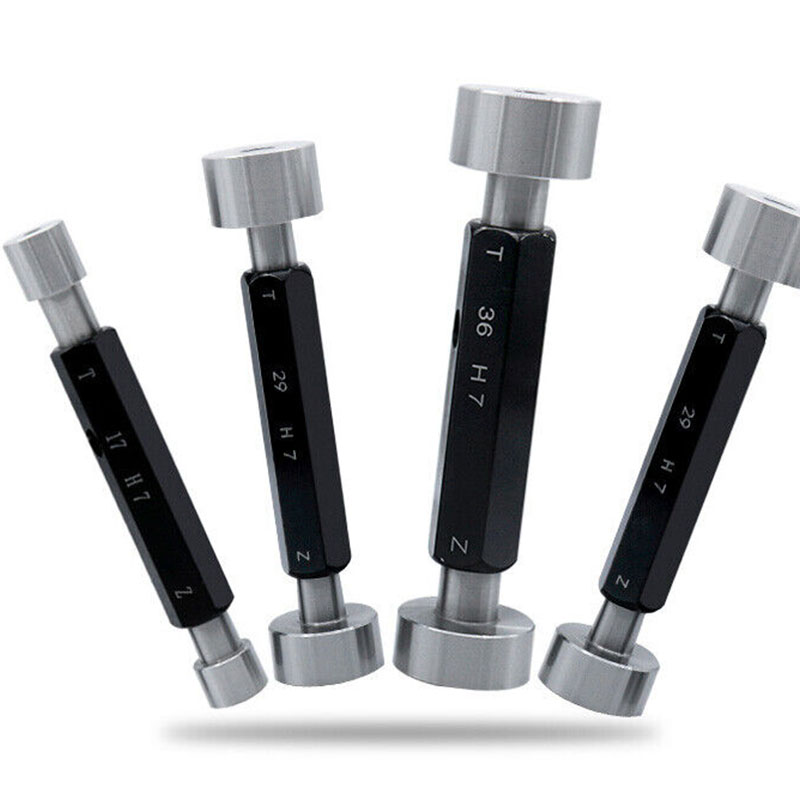
Understanding Dial Bore Gauges A Focus on 18mm to 35mm Applications In precision engineering, the significance of accurate measurements cannot be overstated. One of the essential instruments utilized for measuring the internal diameter of holes is the dial bore gauge. This tool, particularly effective for bore sizes ranging from 18mm to 35mm, plays a crucial role in various manufacturing processes, ensuring that components meet stringent quality standards. What is a Dial Bore Gauge? A dial bore gauge is a measuring instrument designed specifically for measuring internal diameters. It comprises a dial indicator, which reads measurements, a probe that fits inside the bore, and a calibration mechanism to ensure accuracy. The tool works on the principle of displacement; as the gauge slides into the bore, any changes in diameter result in the dial indicator registering a corresponding change. This allows the operator to determine if the bore meets specified tolerances. Design and Features Dial bore gauges come in various designs, but most share common features. For measurements within the range of 18mm to 35mm, the gauge typically has adjustable arms or pins that can be set to the required diameter. The dial indicator is usually mounted perpendicular to the probe, making it easy to read measurements at a glance. Many models come equipped with a locking mechanism that holds the gauge in place once the measurement is taken, preventing any accidental re-adjustments. The precision of a dial bore gauge can be influenced by its construction quality and the range of its measuring capabilities. Models designed for 18mm to 35mm applications typically feature high-quality stainless steel components that resist wear and corrosion, ensuring longevity and accuracy over time. Applications of Dial Bore Gauges The versatility of dial bore gauges makes them invaluable across various industries. Here are a few notable applications 1. Automotive Engineering In automotive manufacturing, ensuring the correct diameter of engine cylinders is critical for optimal performance. Dial bore gauges facilitate precise measurements during the production and quality control phases. 2. Aerospace The aerospace industry demands exceptionally tight tolerances and high-quality standards. Dial bore gauges help inspect components like fuel injectors and turbine housings, ensuring they conform to specifications. dial bore gauge 18 35mm 3. Manufacturing & Machining In the world of machining, particularly in CNC operations, engineers frequently utilize dial bore gauges to check hole sizes and depths in fabricated parts, ensuring that they fit together correctly during assembly. 4. Quality Assurance Quality control inspectors employ dial bore gauges to verify that manufactured products meet the required specifications. Measuring the internal diameters of components regularly helps identify potential defects before they escalate into larger issues. How to Use a Dial Bore Gauge Using a dial bore gauge requires a systematic approach 1. Preparation Ensure that the gauge is clean and calibrated before use. Any dirt or debris can lead to inaccurate readings. 2. Insertion Carefully insert the gauge into the bore, ensuring that it is aligned correctly. 3. Adjustment Adjust the measuring arms or pins until you get a snug fit within the bore. 4. Measurement Read the measurement from the dial indicator. Rotate the gauge to take measurements at various points to identify any variations in diameter. 5. Documentation Record the measurements for future reference and quality control purposes. Conclusion Dial bore gauges are essential tools in precision measurement, particularly for bore sizes ranging from 18mm to 35mm. Their ability to provide accurate and reliable measurements makes them indispensable in industries where precision is paramount. Understanding how to properly utilize and maintain this crucial instrument can greatly enhance quality assurance processes in any manufacturing setting. As technology continues to advance, incorporating sophisticated gauges into production lines is likely to streamline operations even further, reducing human error and improving overall efficiency. Thus, the dial bore gauge remains a trusted companion for engineers and quality inspectors alike, ensuring that every component meets the exacting standards of modern manufacturing.
-

High quality industrial productsagement

High quality industrial products
View Details -

Meet the diverse needs of customers

Meet the diverse needs of customers
View Details -

Strict quality control

Strict quality control
View Details -

Top raw materials

Top raw materials
View Details -

Trusted supplier

Trusted supplier
View Details
Our application


news and information
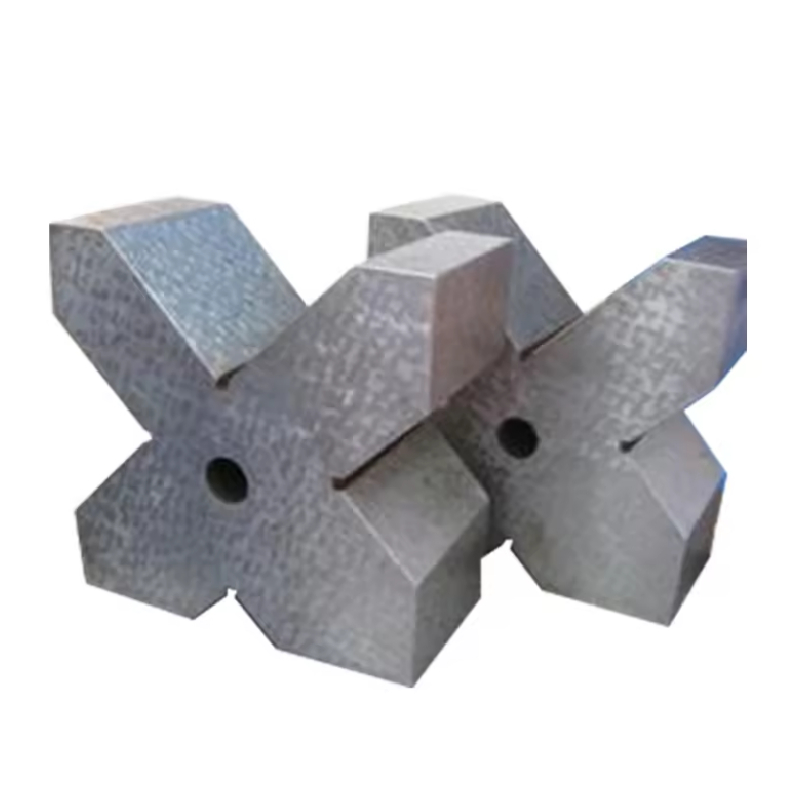
Versatile 90 Degree Angle Tool for Precision Measurements and Layouts
The 90-degree angle ruler, also known as a right angle ruler, is an essential tool in various fields
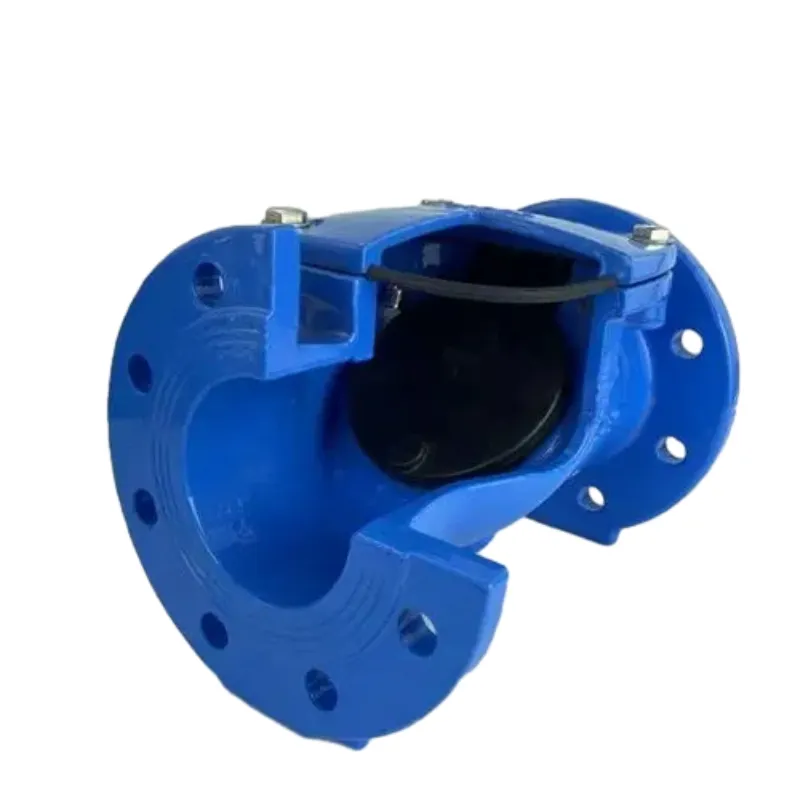
Y Strainer Flange Type - Enhance Your Pipeline Efficiency
The Importance of Y Strainer Flange Type in Fluid Management In the world of fluid management, ensur
Versatile 4x6 Welding Table for Efficient Metal Fabrication and DIY Projects
Enhancing Your Workshop with a 4x6 Welding Table When it comes to welding, having the right workspac
 English